|
 |

|
|
|
||
|
|
|
||
|
|
|
||
|
|
|
|
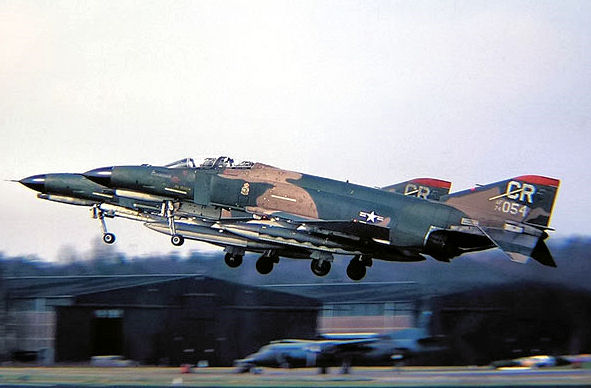
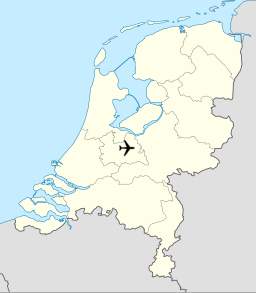
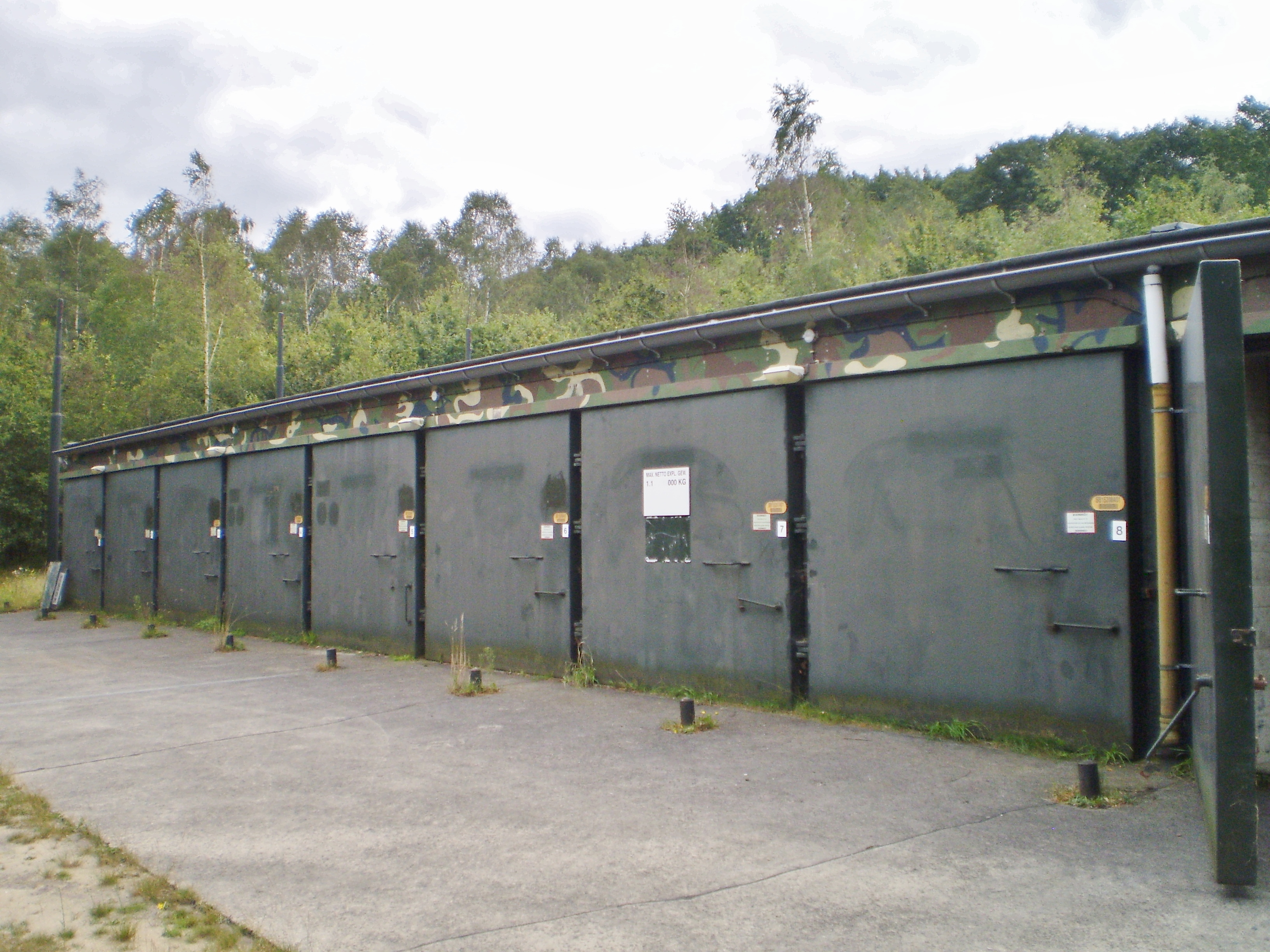
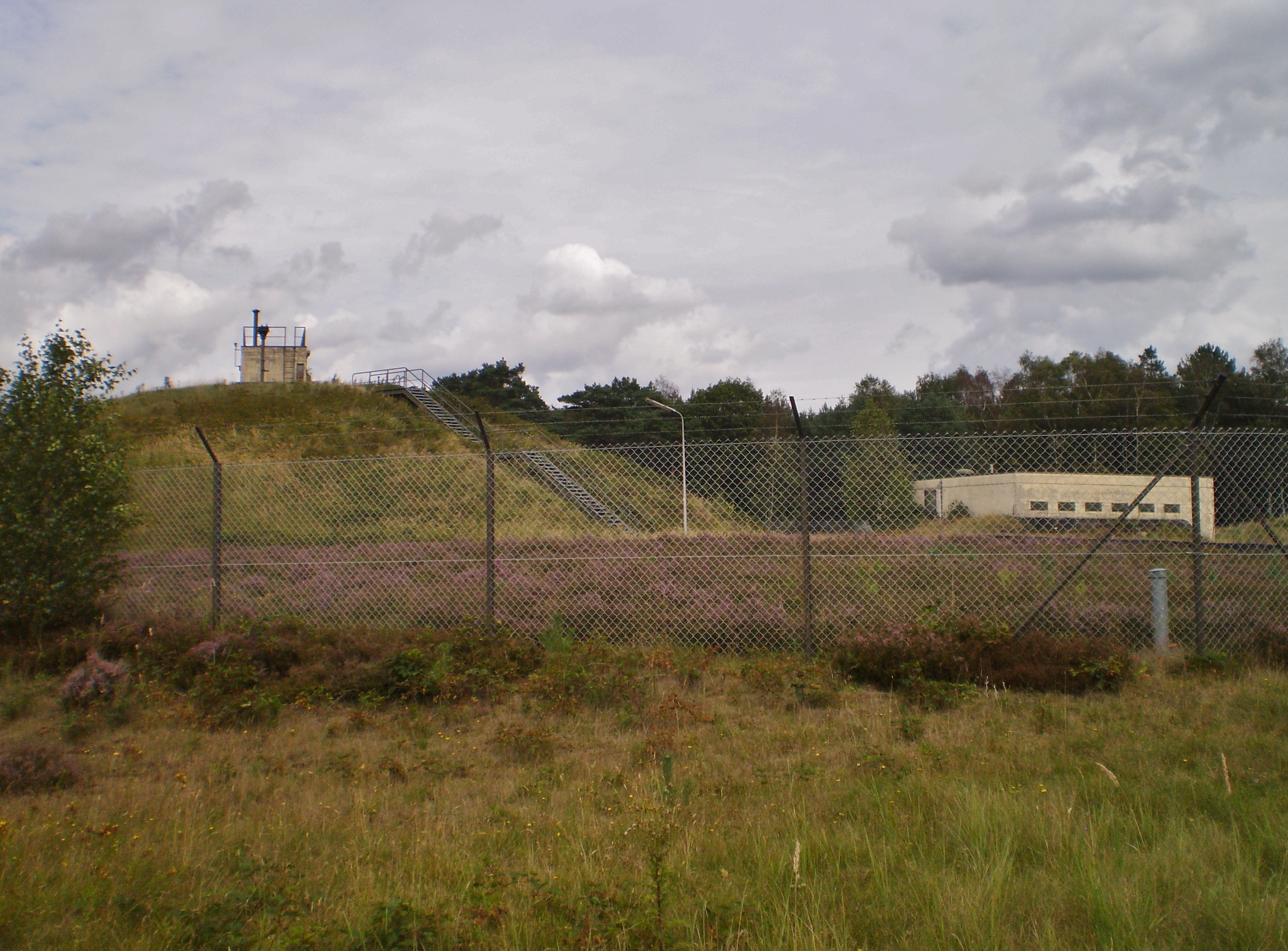
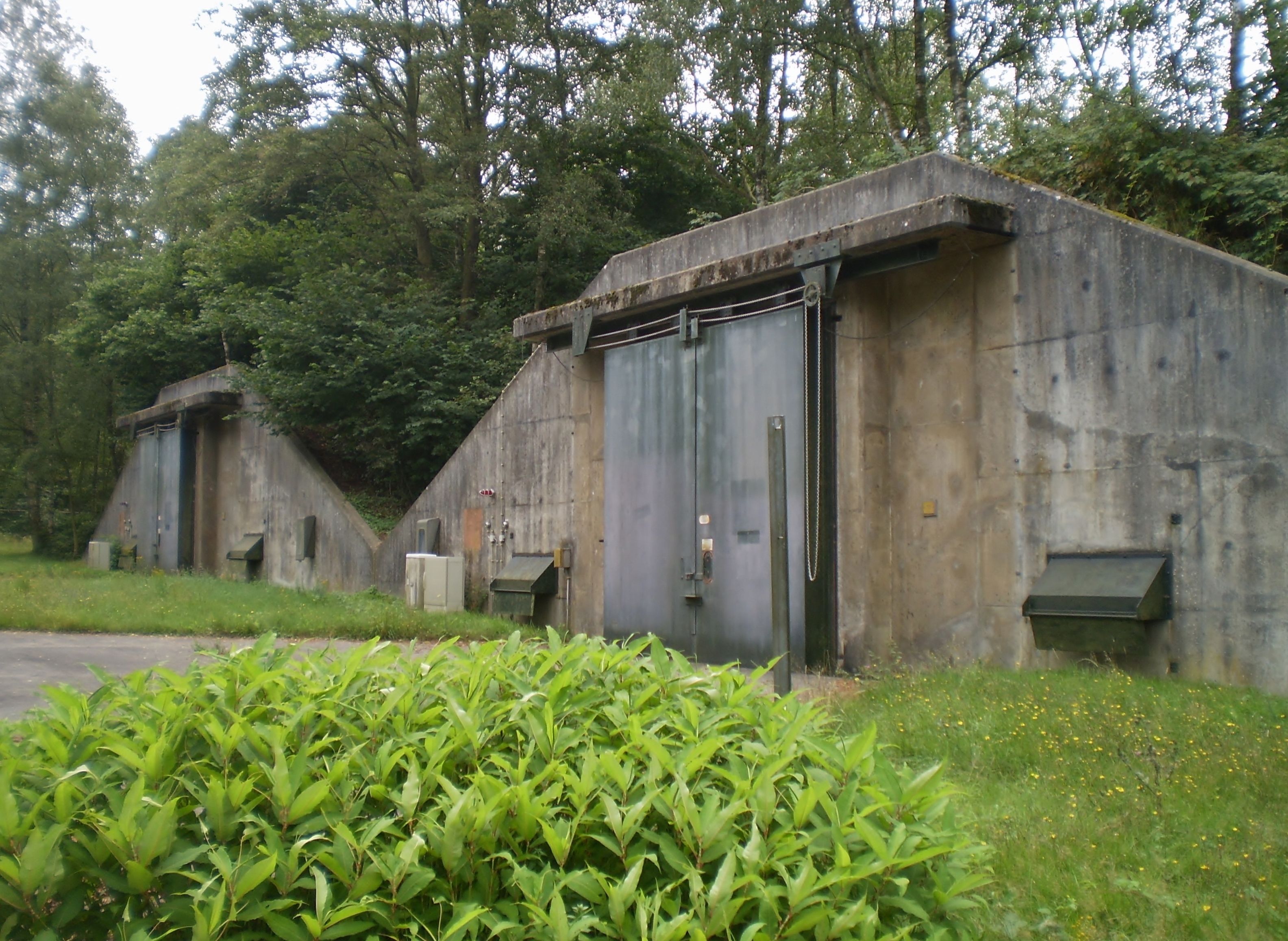
Soesterberg Air Base (IATA: UTC, ICAO: EHSB) was a Royal Netherlands Air Force military air base located in Soesterberg, 14 kilometres (8.7 mi) east-northeast of Utrecht. It was first established as an airfield in 1911, and in 1913, the Dutch Army bought the field and established the Army Aviation Division. For almost 40 years, United States Air Force facilities at Soesterberg, named Camp New Amsterdam was a major front line USAFE air base during the Cold War. The base was closed on 31 December 2008, due to budget cuts in the Dutch Army. The air base ceased flying operations on 12 November 2008, when the command was transferred from the Dutch Air Force to Dutch Defense who will take care of the base until it will be given back to nature. The last fighter ever to depart, delayed due bad weather at Aviano AB, was a Greek F-4E Phantom II. The former USAFE part stays in military hands, and will now officially be called Camp New Amsterdam.
Early historyDuring World War I, the Netherlands was a neutral country, and flew border patrol missions from Soesterberg airfield. The Dutch confiscated all foreign aircraft landing inside the borders of their country during the war, and added the operational ones to their inventory to be used for pilot training at Soesterberg. At the beginning of World War II, the Dutch again declared neutrality, but the German force’s blitzkrieg overran the country in five days, and Soesterberg was occupied by the German Luftwaffe on 15 May 1940. A variety of German aircraft was stationed there during the war, flying anti-shipping missions along British convoy routes in the North Sea, bombing missions over England, and fighter defence against Allied bombing missions. Throughout the war, Allied Air Forces caused enormous damage to the airfield, and by September 1944 the Luftwaffe acknowledged Soesterberg airfield to be more or less useless. In May 1945, Canadian forces liberated the airfield. After the War, an extensive Dutch construction programme was started — to build, new hangars, extending the runways and several locations around the base, used as service areas during the War, were upgraded. On 5 August 1951, the Royal Netherlands Air Force (RNLAF) declared it operational and gave it an air defence role. The RNLAF has maintained flying units at Soesterberg since then. On the base two monuments were erected. The monument for Fallen Aviators (Monument voor Gevallen Vliegers) is the official Royal Netherlands Air Force Memorial, and located near the main entrance of the base. On Memorial Day, May 4th, the Royal Netherlands Air Force holds a ceremony to remember and commemorate the fallen of World War II. The other monument at the base is for Executed Resistance Fighters. It is the symbol for the sacrifice that 33 resistance fighters gave for freedom. Every year on 19 November, there is a memorial service. During World War II, the German Army (Wehrmacht) secretly executed the 33 resistance fighters in the woods of the base. The resistance fighters were part of several resistance groups and most of them were caught due to betrayal. Although the execution was held in secret, there were rumours about it, and after the War the base was minutely searched. The mass grave, camouflaged by buried trees, was located by Major A. Siedenburg. His son was one of the victims. United States use
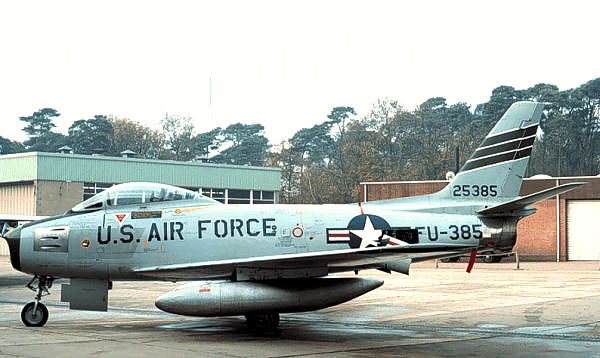
North American F-86F-25-NH Sabre, AF Ser. No. 52-5385. This aircraft is now on display at the Militaire Luchtvaart Museum, Kamp Zeist, Netherlands. In 1954, the Dutch government agreed to the stationing of a US Air Force fighter squadron to augment air defence. The USAF forces operated from a part of Soesterberg Air Base which was named Camp New Amsterdam, in honour of the first Dutch settlement in America, Nieuw Amsterdam, later renamed New York City. 512th Fighter-Day SquadronThe first U.S. Air Forces in Europe (USAFE) unit to operate from Soesterberg was the 512th Fighter-Day Squadron, which arrived with North American F-86F «Sabre» on 16 November 1954 from RAF Manston in the UK. By July 1955, the 512th reached full operational status. 32d Fighter-Interceptor SquadronIn September 1955, the designation of the 512th was transferred to RAF Shepherds Grove, where it replaced the 78th FIS. Its aircraft, personnel and equipment however stayed in the Netherlands, and made up the newly activated 32d Fighter Day Squadron, which was operated at Soesterberg as a detachment of the 36th Fighter Wing at Bitburg Air Base in the Federal Republic of Germany. In 1956, the squadron transitioned to the North American F-100 Super Sabre. The 32d sent five instructors pilots to Sidi Slimane AB in Morocco to complete transition training for the F-100. At the same time, the squadron began ferrying the F-86s to Prestwick, Scotland, and Châteauroux-Déols Air Base in France for disposal. On 18 July 1958, USAFE redesignated the unit as the 32d Tactical Fighter Squadron, as part of the 36th Tactical Fighter Wing. Due the requirement of a longer runway for landing and take offs, the runway of the base was extended to over 3,000 metres (9,840 ft). In 1959, the 32d received the signature «Royal», the crown and wreath of the Dutch Royal Family (the House of Orange) were added to the emblem, giving it its unique look. This unique honour was granted in recognition of the unit’s contribution to the defence of the Netherlands, and graphically illustrates the 32d’s close ties with the Royal Netherlands Air Force. The 32 TFS had the unique distinction of being the only unit in the USAF whose emblem included the royal crest of another nation. This addition was only authorised as long as the 32d TFS remained in the Netherlands. From 1959, the 32d was redesignated as the 32d Fighter Interceptor Squadron and received Convair F-102 Delta Daggers. It acquired a 24-hour alert interceptor mission from Soesterberg as part of NATO’s Second Allied Tactical Air Force. The 32 FIS was assigned to the USAFE 86th Air Division (Defense) at Ramstein Air BaseWest Germany on 1 July 1960. This transfer was made in order that all USAF fighter assets in Europe could be concentrated in one command. 32nd Tactical Fighter SquadronAs a result of the 1968 Soviet intervention in Czechoslovakia, the USAF announced that its F-102 squadrons would be re-equipped with the modern McDonnell Douglas F-4 Phantom II. The 32nd FIS was first in line to undergo the conversion, and the F-102s were flown back to the United States and were transferred to the Air National Guard. On 1 July 1969, the USAF redesignated the unit as the 32nd Tactical Fighter Squadron (32nd TFS). On 6 August 1969, the first two, brand new, Phantoms arrived. Flying the F-4 Phantom meant some drastic changes for the squadron and the base. In 1989, the Dutch government allowed USAF to upgrade its headquarters unit at Soesterberg AB from squadron to group status. The 32d Tactical Fighter Group was activated at Soesterberg on 16 November 1989, with the 32nd Tactical Fighter Squadron as a subordinate unit and much reduced in size. Group aircrew and ground support personnel were deployed, for operations Desert Shield and Desert Storm to Incirlik Air Base, Turkey. On 28 January 1991, one crewdestroyed an Iraqi MiG fighter aircraft. After the war they continued their air activities in theatre as a part of Operation Provide Comfort from April 1991 until April 1993. Dutch useOn the Dutch side, the airfield was also used by various fighter units. The last Dutch fighter unit at this airfield was 325 Squadron flying the Hawker Hunter, which was inactivated in August 1968. In September 1968 three flying units came from Ypenburg Royal Netherlands Air Force Base to Soesterberg. These were 334 Squadron flying the venerable Fokker F.27, 298 Squadron flying the SA 316 and the SAR flight flying the SA 316. The SAR flight then transferred in 1977 to Leeuwarden Air Base. In August 1981 however, the 336 Squadron was reborn at Soesterberg. The task this time: Patrolling the skies over and around the islands of the Netherlands Antilles in the Caribbean. For the job, two new Fokker F.27 Mk.200 Maritime Patrol Aircraft were ordered. In September 1981, the first aircraft was delivered to the Royal Netherlands Air Force, and received the registration M-1. This aircraft departed to Curaçao in early November 1981, and the first pilot was Mayor G.W.G.F. Rijnders. The aircraft arrived on the island on 13 November 1981. The second Maritime registered M-2 arrived in March 1982. In 1992 334 Squadron moved to Eindhoven Airport. With this departure, 298 Squadron was the only flying unit at the base until 1995, when 300 Squadron joined 298 Squadron. In the same year, the 298 Squadron converted to the CH-47 Chinook, and passed the SA 316 to Gilze-Rijen Air Base, while 300 Squadron received the AS 532 U2 Cougar. Later the SA 316 returned to Soesterberg and joined 300 Squadron. USAF departure
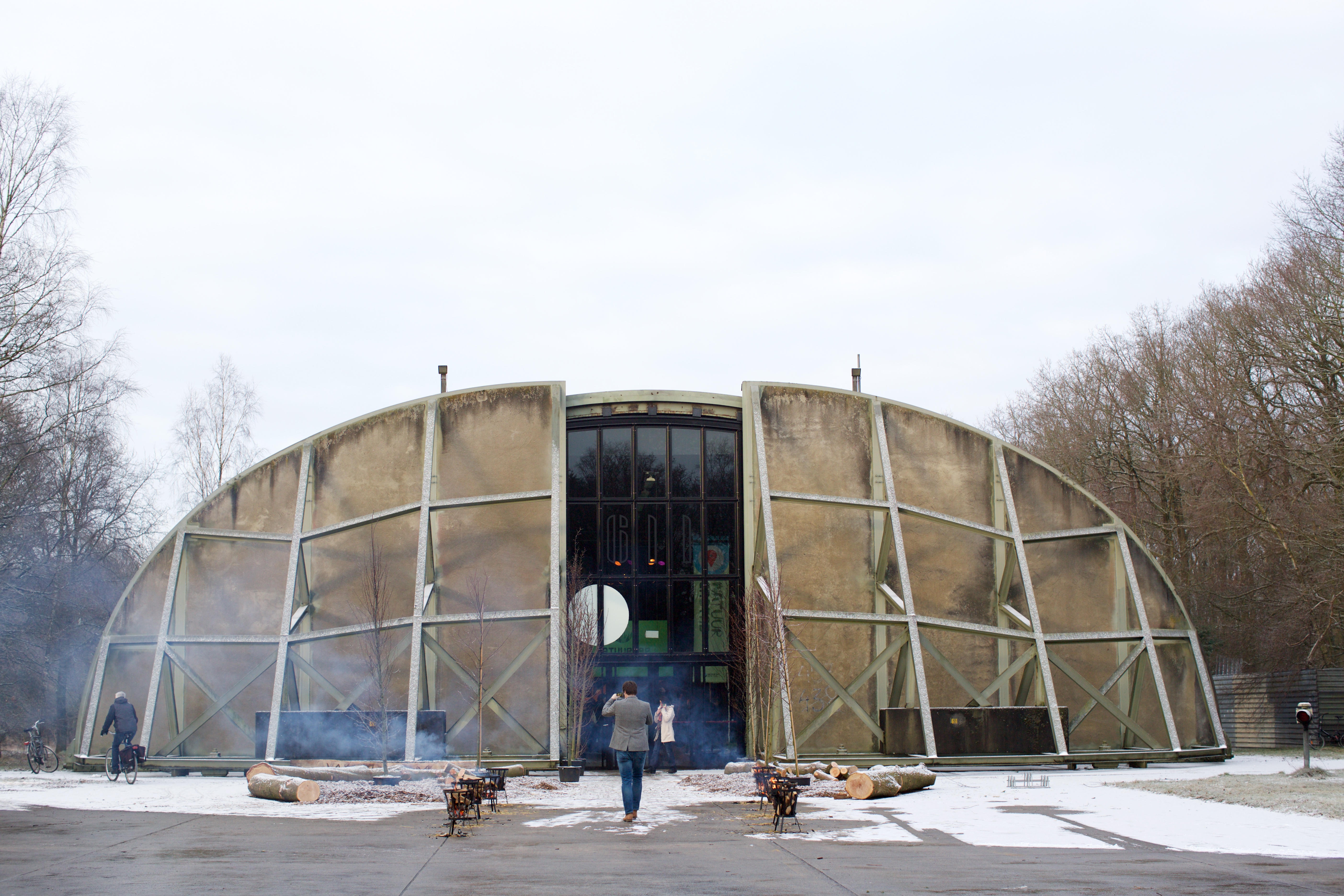
A former hangar of the air base used as a conference space, 2015 With the end of the Cold War, a major force draw-down occurred in Europe, with the USAF reducing its USAFEfighter force structure. These changes affected the 32nd and, as part of the draw-down, the squadron’s F-15 Eagles returned to the United States. The original intent of USAFE was to inactivate the 32d Fighter Group and orders were so issued inactivating the group’s subordinate units on 1 July 1994 and the group on 1 October. On 19 April, the group furled its colors in formal ceremonies attended by members of the Royal Family, and the American ambassador. On 1 July, HQ USAFE activated the 632d Air Base Squadron to replace the 32d Fighter Group at Soesterberg to complete closure actions. The same order redesignated the group’s 32d Fighter Squadron as the 32d Air Operations Squadron, part of the 32d Air Operations Group. All actions were effective 1 July 1994. In this way, USAFE was able to preserve the lineage of these two distinguished units. The U.S. part of Soesterberg was returned to the Netherlands government on 27 September 1994. Only one USAF F-15A remains in the Netherlands, and is displayed at the Military Aviation Museum. Soesterberg then became a Royal Netherlands Air Force transport helicopter base with 298th squadron (CH-47 Chinook) and 300th squadron (AS 532 U2 Cougar and SA 316) stationed at the base. Flying officially ended on 12 November 2008. The last jet ever to take off was a Hellenic AF F-4E Phantom II. The base formally closed on 31 December 2008, with the 298th and 300th Squadrons of the Royal Netherlands Air Force moving to Gilze-Rijen Air Base. However, a part of the base remains in use as a glider field. The former USAFE side remains in use by Dutch military ground units and is called «Camp New Amsterdam». The Air Force museum returned to the base and will use most of the existing hangars.
* * *
The content above was published at Airports-Worldwide.com in 2018.
|
|
||||||||||||||||||||||||||||||||||||||||||||||||||||||||||||||||||||||||||||||||||||||||||||||||||||||||||||||||||||||||||||||||||||||||||||||||||||||||||||||||||||||||||||||||||||||||||
|
|
|
|
|
|
|
|
|
|
|

 |
|
|
|
|
|
|
Copyright 2004-2024 © by Airports-Worldwide.com, Vyshenskoho st. 36, Lviv 79010, Ukraine Legal Disclaimer |
|
|
|
|
|